
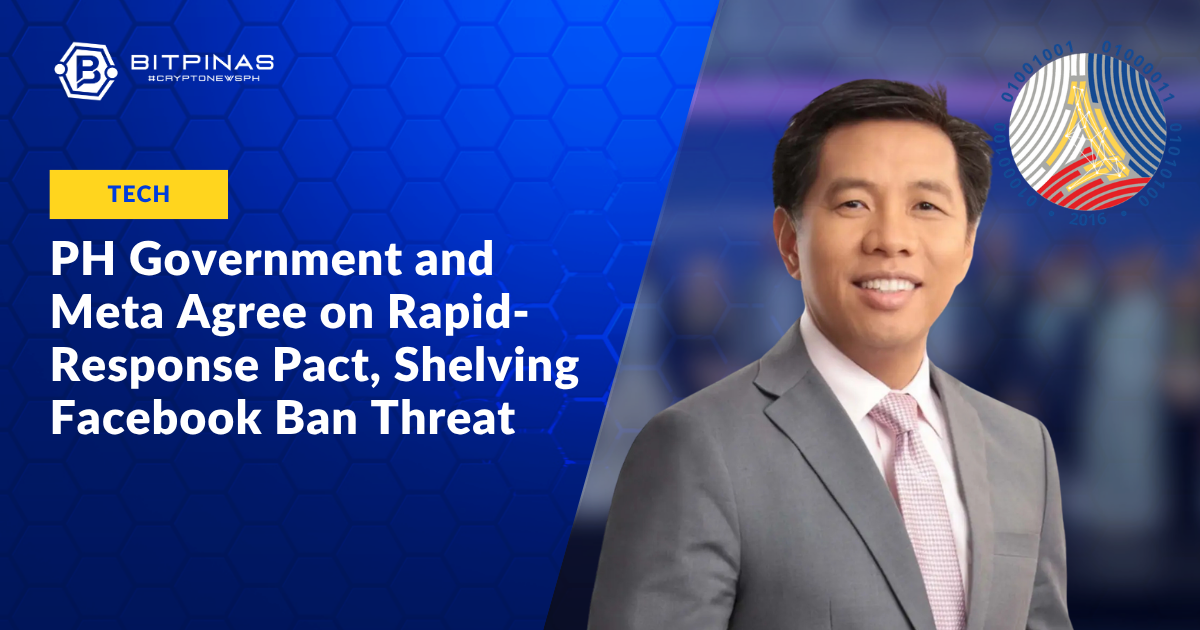
The threat of a nationwide Facebook ban in the Philippines is off the table. Following days of escalating tensions over platform moderation delays during a violent crisis, Philippine regulators and Meta executives have agreed to establish a direct hotline and joint technical working group to accelerate the removal of illegal and violent content.
A Escalation Line for Rapid Takedowns
For the country’s 95 million users and hundreds of thousands of local digital merchants, the compromise averts a severe disruption to the country’s digital infrastructure. Rather than pursuing a network-level block on Meta’s platforms, government agencies will now operate alongside Meta through a dedicated framework designed to enforce strict service-level agreements (SLAs) on content moderation.
- Under the new agreement, Meta will assign a dedicated point of contact specifically for Philippine authorities and launch a joint Technical Working Group (TWG) with state regulators.
- The group will prioritize immediate coordination, faster response times, and rapid content removal for posts involving threats of violence, harmful disinformation, and child sexual abuse and exploitation material (CSAEM).
The pact was forged during a high-level meeting convened under directives from President Ferdinand Marcos Jr., led by:
- Department of Information and Communications Technology (DICT) Secretary Henry Aguda,
- Cybercrime Investigation and Coordinating Center (CICC) Executive Director Aboy Paraiso,
- Leadership from the National Bureau of Investigation (NBI) and National Telecommunications Commission (NTC).
- Meta was represented by Sarim Aziz, Director for Public Policy for Southeast Asia, and Gio Tingson, Head of Public Policy for the Philippines.
- This meeting was attended by tech advocacy group Digital Pinoys led by Ronald Gustillo.
In addition to setting up the rapid-response pipeline, Meta reaffirmed its zero-tolerance policy on child exploitation and pledged continued assistance with law enforcement investigations.
While welcoming the outcome, DICT Secretary Aguda emphasized that technical protocols cannot replace parental supervision online, pointing to built-in safeguards like Meta’s Teen Accounts and Family Center features as necessary tools for household safety.
How a 14-Minute Delay Brought Meta Closed to Being Banned in the Philippines
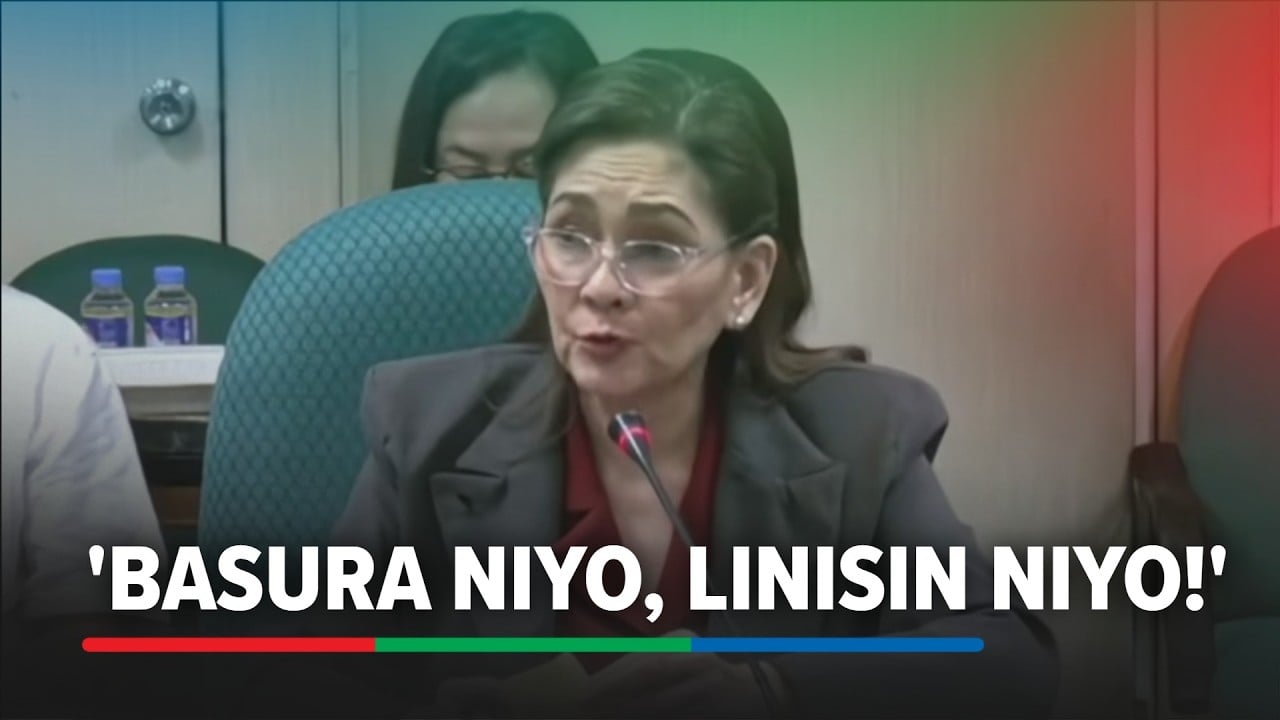
The regulatory breakthrough comes days after Philippine authorities threatened extreme measures following an August 18 campus shooting at Ateneo de Zamboanga University. A student livestreamed the attack on social media, prompting CICC authorities to flag the feed within five minutes. Despite the real-time notification, the video remained active on Facebook for another nine minutes. This is a delay that drew severe pushback from lawmakers during a Senate hearing chaired by Senator Risa Hontiveros.
In response, the CICC floated a potential nationwide ban or geo-block on Meta platforms, a proposal Malacañang confirmed it was open to studying. While regulators framed the threat as necessary leverage to compel platform compliance, pointing to a similar strategy that successfully forced online gaming platform Roblox to overhaul its local safety standards, tech policy groups and business advocates warned of catastrophic collateral damage.
With micro, small, and medium enterprises (MSMEs) accounting for over 99% of registered Philippine businesses, an estimated 500,000 to 800,000 registered merchants and millions of informal vendors rely on Facebook Pages, Messenger, and FB Live as their primary operational storefronts. A total ban would have effectively frozen cash flows and shuttered storefronts across the country’s digital economy.
Meta executives are scheduled to visit Manila shortly to formalize the cooperation framework.
This article is published on BitPinas: PH Government and Meta Agree on Rapid-Response Pact, Shelving Facebook Ban Threat
What else is happening in Crypto Philippines and beyond:


No Comment! Be the first one.