

A new Solana DEX project has brought fresh attention to XRP Ledger’s early exchange design.
Summary
- Matt Hamilton said XRP Ledger solved DEX ordering problems years before Solana’s Mato pitch.
- XRPL’s built-in DEX has operated since 2012, giving XRP a long-running native DeFi base.
- XRPL developers are also testing lending and AMM upgrades for broader on-chain finance.
Crypto commentator Crypto Goblin said Mato, presented by founder Thomas Gehrmann at Solana Summit Germany, uses a continuous clearing auction to reduce front-running and order sequencing games.
Mato’s pitch is based on processing orders in parallel rather than one at a time. The model lets orders stream across a user-set time period, then clears active demand and supply at a market price that updates as orders enter or leave.
Its core message is that trading can become fairer when no party controls order sequencing and no taker has priority over other users.
Matt Hamilton points to XRP Ledger
Former Ripple developer Matt Hamilton replied that the XRP Ledger had addressed similar market structure problems many years earlier. “This problem was solved 15 years ago on the XRP Ledger,” he wrote.
Hamilton also called XRPL “the very first DEX in existence,” while saying other blockchains keep trying to solve the same issue again.
“It is great that this might now be solved on Solana, but I fear this is why we never move on as an industry,” he added.
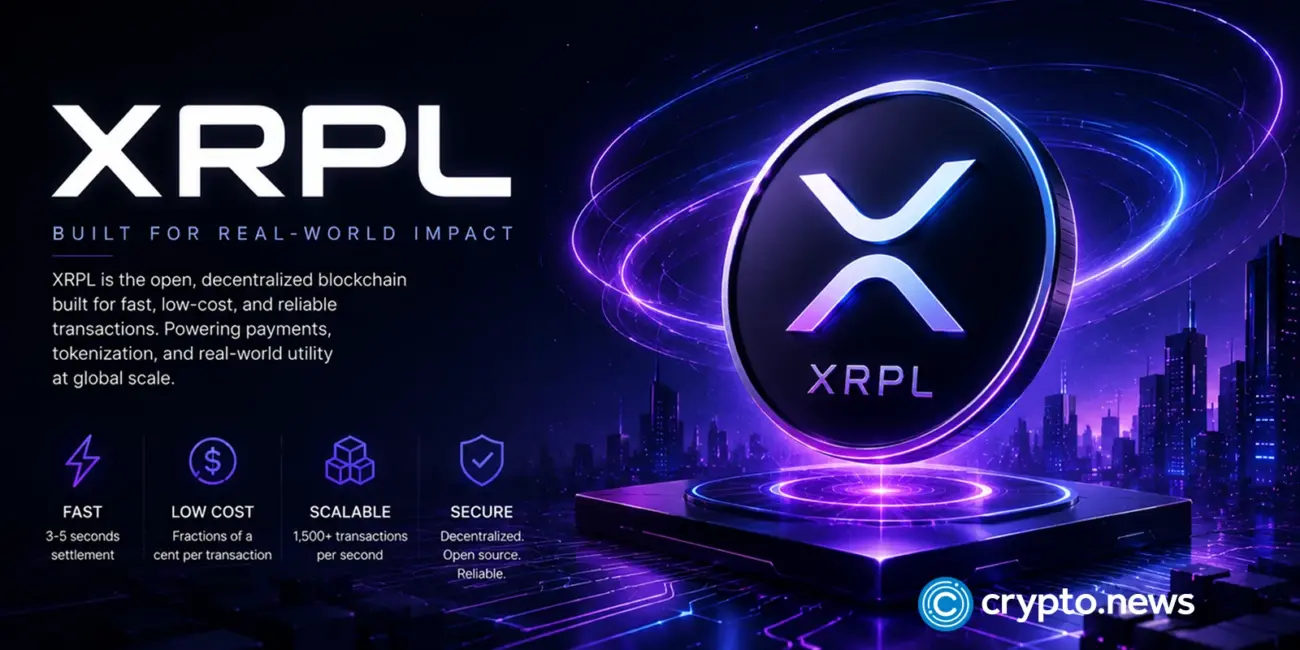
His comment places XRP’s early design back in the spotlight. The XRP Ledger launched in 2012 with a built-in order book DEX, allowing users to trade XRP and issued tokens directly on the network.
XRP Ledger DEX remains active
XRPL documentation says its central limit order book DEX does not require automated market makers to process swaps. Trades can use the order book, AMMs, or both, depending on available liquidity.
Ripple has described the XRPL DEX as one of the world’s oldest decentralized exchanges, operating continuously since 2012. That long record helps explain why XRP supporters often view the network as an early DeFi platform, even though the term DeFi became common years later.
The system differs from later DEX models. Instead of relying on smart contracts, XRPL built exchange tools into the ledger. That design keeps trading functions close to the base protocol.
crypto.news coverage shows that XRPL’s DEX design is still evolving. The XRPL Foundation recently proposed “AMM Swappable Curves” to add StableSwap and concentrated liquidity options to the native automated market maker.
New XRP Ledger upgrades keep DeFi focus alive
crypto.news also reported that XRPL is voting on XLS-65 and XLS-66, amendments that would bring native vaults and fixed-rate lending to the ledger. The plan would let users pool assets in vaults and fund fixed-term loans without outside smart contracts.
That lending proposal sits beside other enterprise-focused work on XRPL. Ripple and Bitso recently launched the MXNB Mexican peso stablecoin on the ledger and tied it to Ripple’s Payments on DEX infrastructure for regulated settlement.
The debate started by Hamilton does not mean Mato and XRPL are identical. Mato focuses on a continuous auction model for Solana, while XRPL has long used a native order book and has added AMM tools later.
Still, the exchange of comments shows how older blockchain designs can return to the center of market debate. As Solana builders test new DEX models, XRP supporters are pointing to XRPL’s long-running DEX as evidence that some ideas in crypto arrived early.



No Comment! Be the first one.